
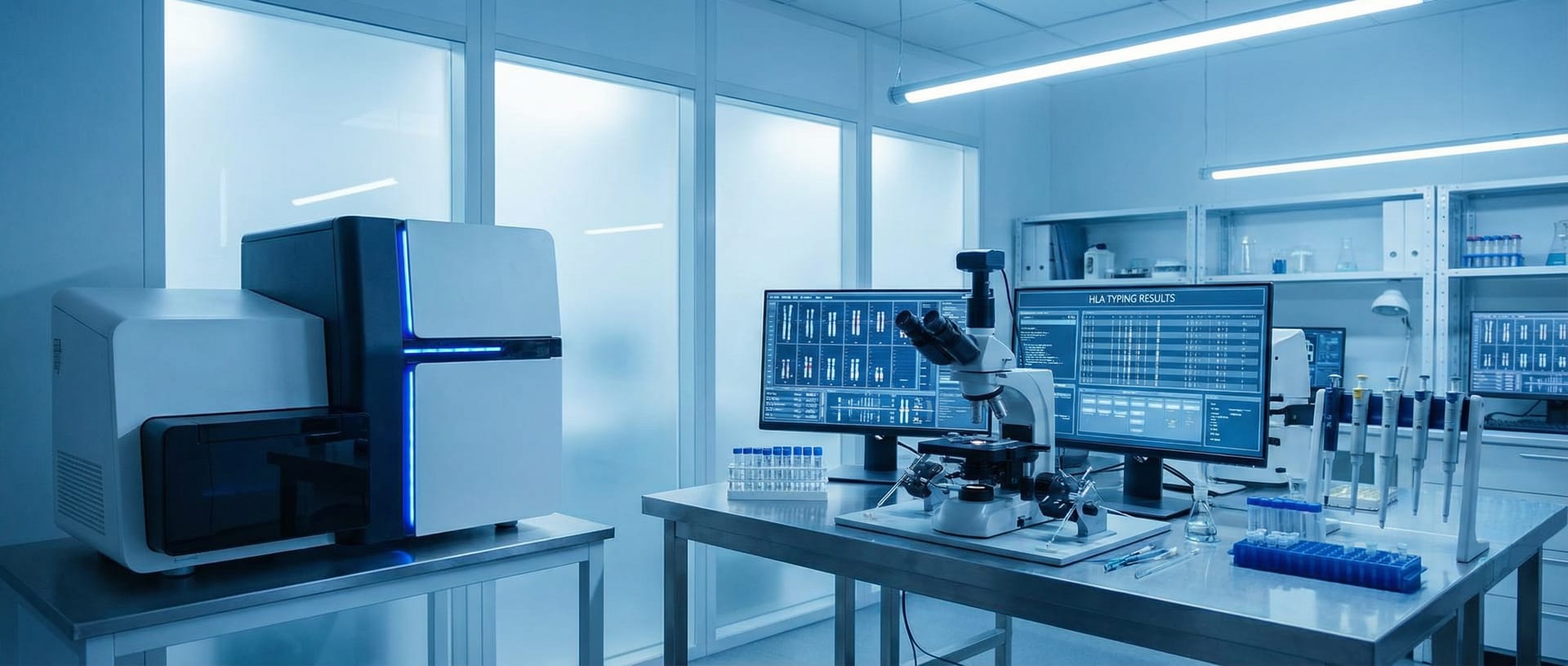


One of the clinical applications of pre-implantation genetic diagnosis is the selection of an embryo that is human leukocyte antigen (HLA)-compatible, where there is a child in the family with a condition requiring a stem cell transplant. In childhood diseases treatable by bone marrow or umbilical cord blood stem cell transplantation, where a suitable donor cannot be found within the family or among close relatives, HLA typing is performed using PGT on embryos obtained following IVF treatment.
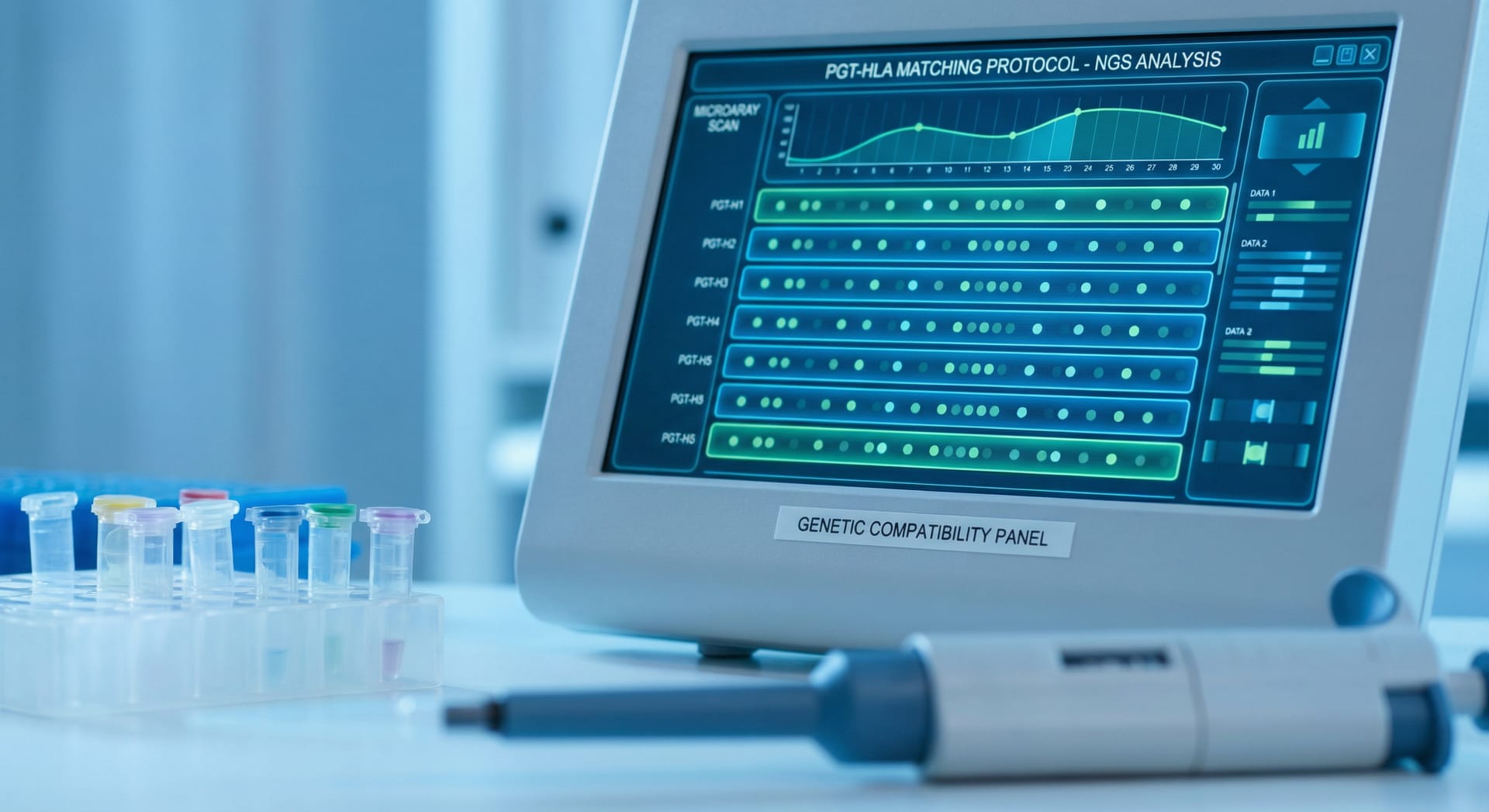
Blood or tissue samples are taken from the prospective parents and the affected child to carry out the necessary genetic assessments. The embryos obtained following the IVF process are examined for HLA compatibility with the sibling scheduled to receive the stem cell transplant. Healthy embryos that have been found to be HLA-compatible are selected and transferred into the uterus. The treatment of the affected sibling can be provided using umbilical cord blood stem cells collected following a pregnancy and healthy birth resulting from the transfer of an HLA-matched embryo, or using bone marrow stem cells that can be collected once the baby has reached a certain stage of development.