PATIENT'S JOURNEY

Patient Journey

At Fertilist IVF Center, your treatment journey is a personalised plan tailored to you. We are with you every step of the way.

International Patient Services

Before Your Arrival

Initial Consultation

Before traveling to Turkey, you can have a virtual consultation with our specialists. Send your medical history and test results, and we will:

Review your case
Recommend appropriate treatment protocol
Provide cost estimates
Answer all your questions
Plan your travel dates

Travel Planning

Our international patient coordinator will assist you with:

Visa invitation letter (if needed)
Flight recommendations
Accommodation options
Treatment timeline
Airport transfer arrangements

Your Arrival in Turkey

Airport Pickup Service

Our dedicated driver will meet you at Istanbul Airport with a name sign. Comfortable, private transfer to your hotel or hospital.

Accommodation Options

Partner Hotels

Walking distance to hospital

Hospital Guest House

Available upon request

Airport Hotels

For short visits

Your IVF Journey

Patient needs analysis and self-assessment process
1/9
Step 1

Understanding and Analysing the Patient's Needs

It is important to assess the patient's age, length of marriage and the duration of their desire to have a child. Following this assessment, a detailed medical analysis is carried out at the healthcare facility, and a personalised treatment approach is determined.

Patient Safety and Comfort

International Patient Safety Standards

All diagnostic and treatment processes are conducted in accordance with JCI and international clinical protocols. Risks are anticipated and minimised at every stage, from infection control to medication safety.

Transparent and Traceable Treatment Process

Patients are informed in a clear and understandable manner at every stage of their treatment. Procedures performed, medications used and potential risks are shared transparently; processes are documented to ensure traceability.

Personalised Safe Treatment Planning

Personalised treatment plans are created, taking into account each patient's age, hormonal status, medical history and lifestyle. By avoiding unnecessary interventions, both safety and success rates are enhanced.

High-Tech and Controlled Laboratory Infrastructure

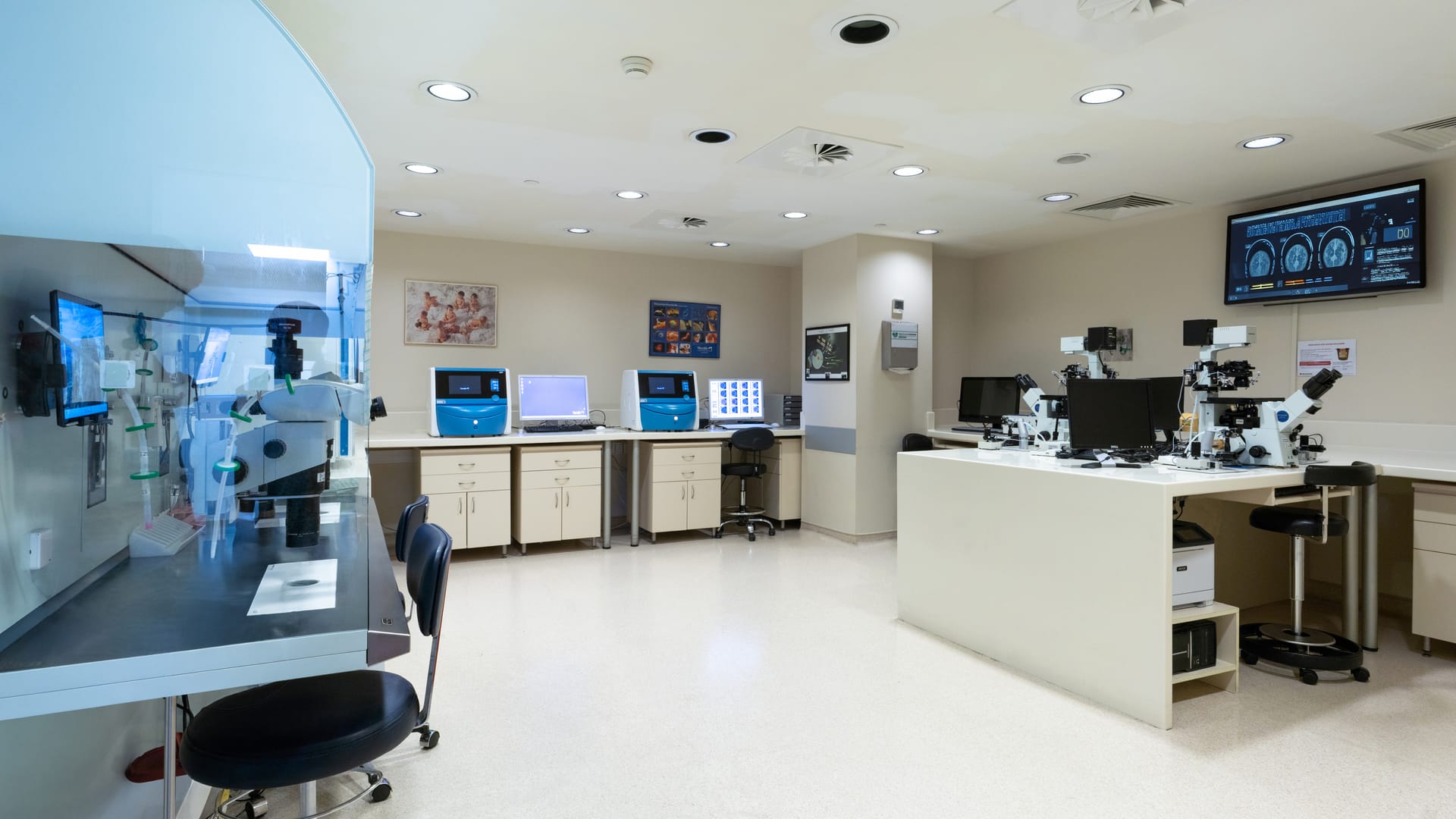
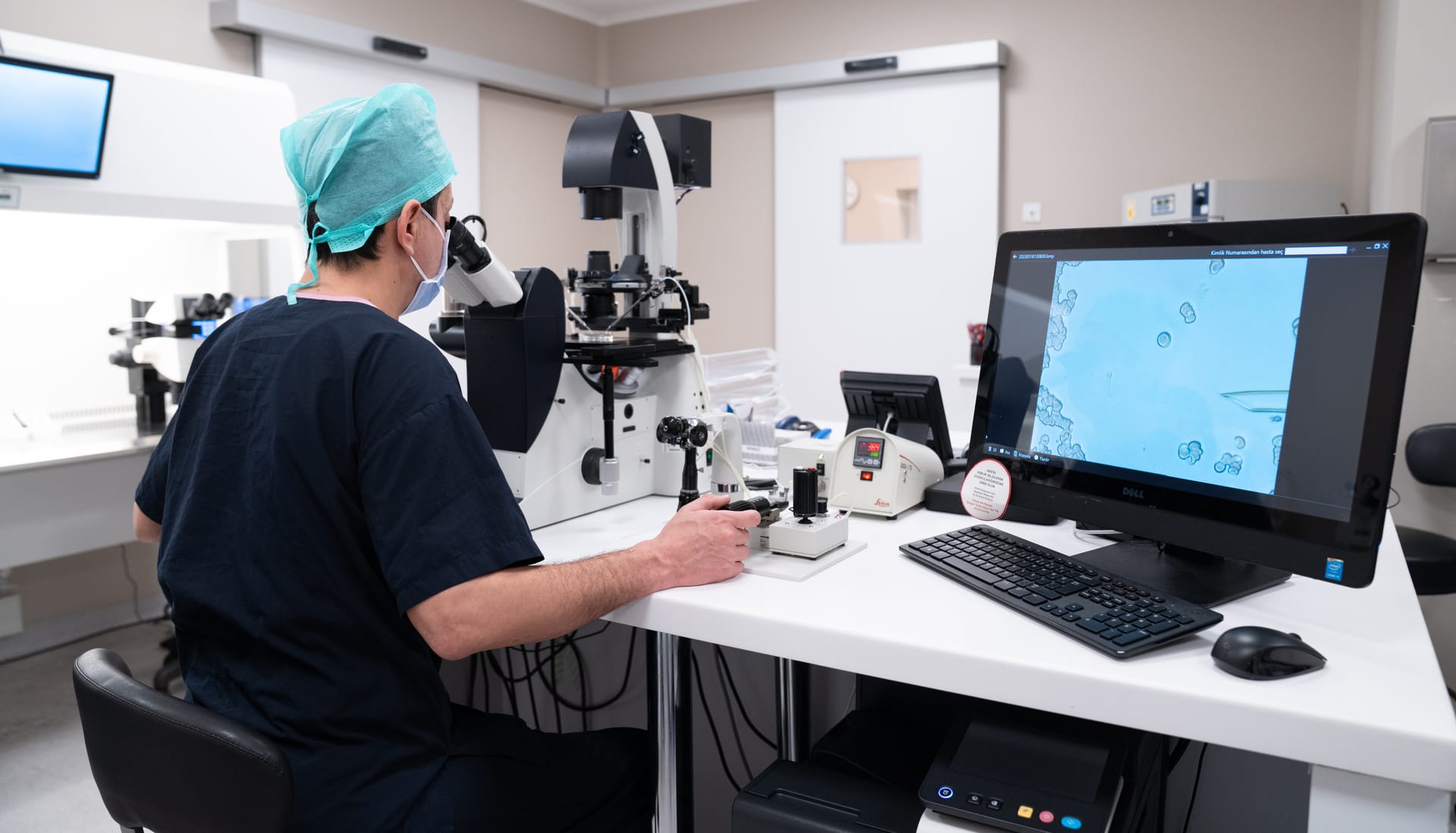
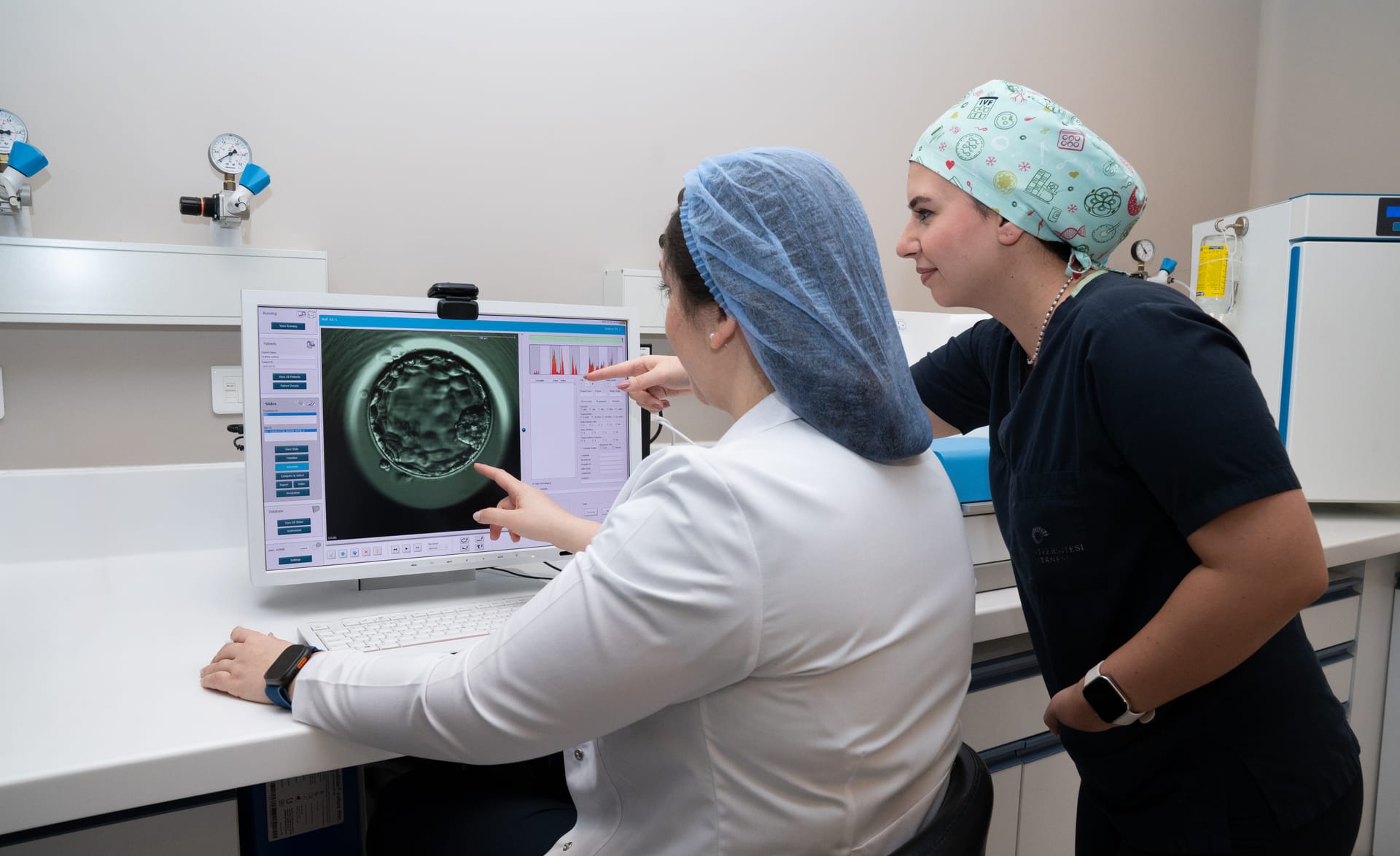
State-of-the-art systems are used in embryology and IVF laboratories. Embryos are stored in controlled, sterile environments monitored 24/7; all biological materials are safeguarded by a double-verification system.

An Approach Focused on Physical and Emotional Well-being

We operate with the understanding that the IVF process is not merely a medical procedure, but an emotional journey. Clinical areas are designed to support patient privacy and comfort; an atmosphere that reduces stress and anxiety is provided.

Strong Patient Communication and Continuity

Patients are monitored by the same team throughout the treatment period. Thanks to easily accessible IVF coordinators, questions are answered promptly, uncertainty is reduced, and a sense of trust is reinforced.

Privacy and Data Security

Patient information and all medical data are protected in accordance with the Law on the Protection of Personal Data (KVKK) and international data security standards. Patient privacy is treated as a fundamental principle at every stage of treatment.

Testimonials

From the airport pickup to our final appointment, everything was perfectly organized. The coordinator was always available, and we felt completely supported.

S

Sarah & James

UK

We combined our treatment with a vacation in Istanbul. The city is beautiful, and the medical care exceeded our expectations.

M

Maria & Carlos

Spain

Contact Us for More Information and Appointments

Our team of specialists will contact you as soon as possible to provide detailed information.

IVF Process

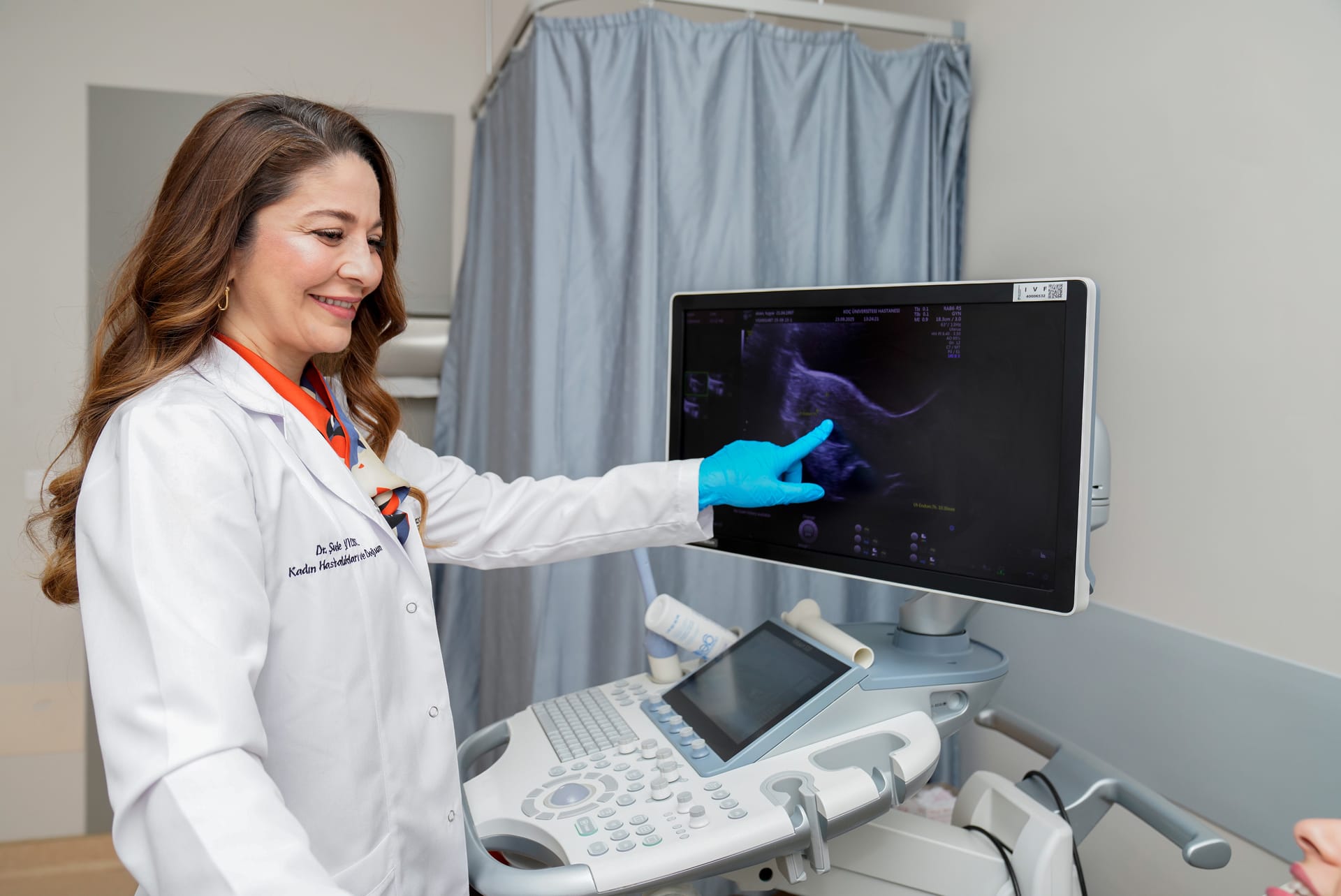
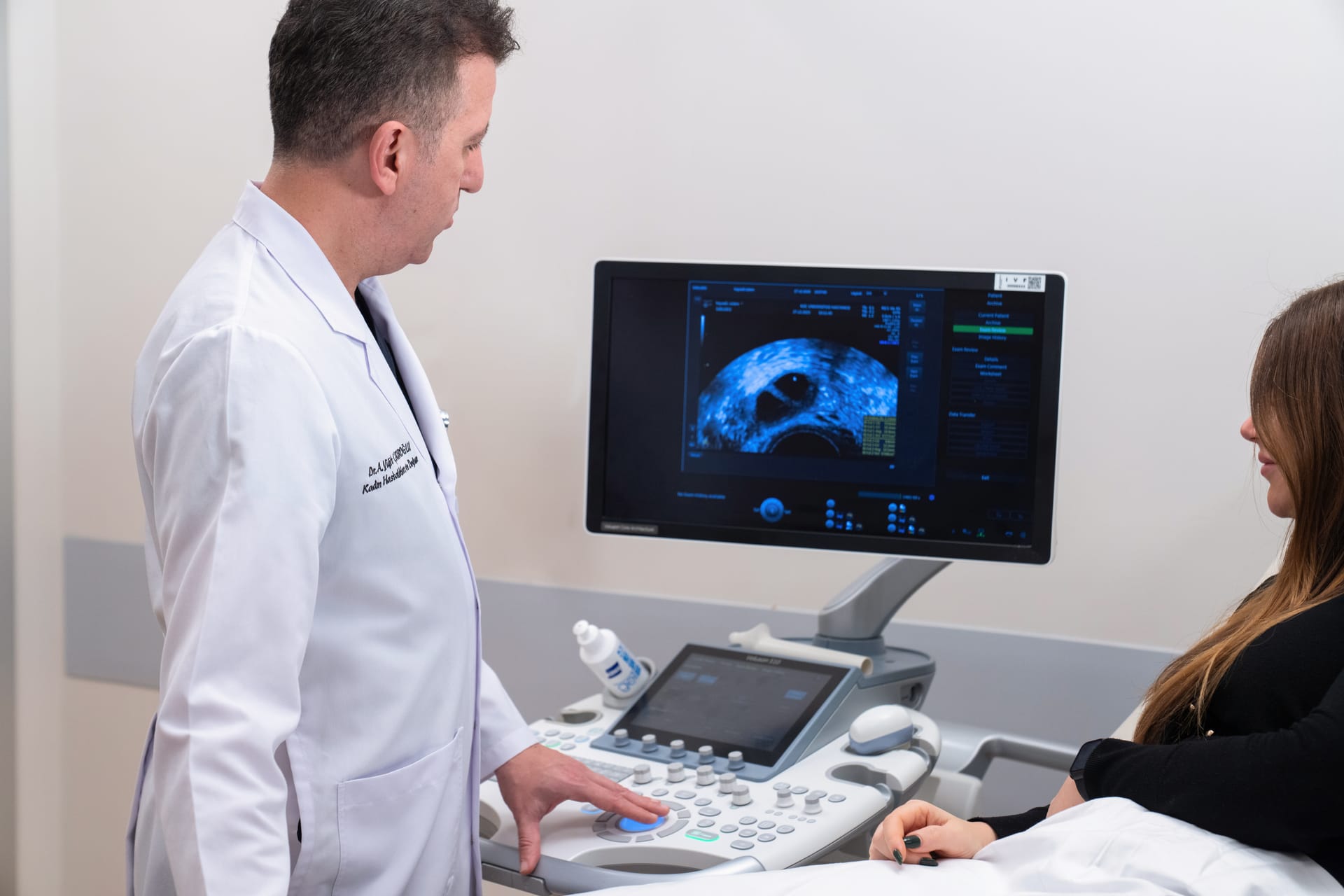
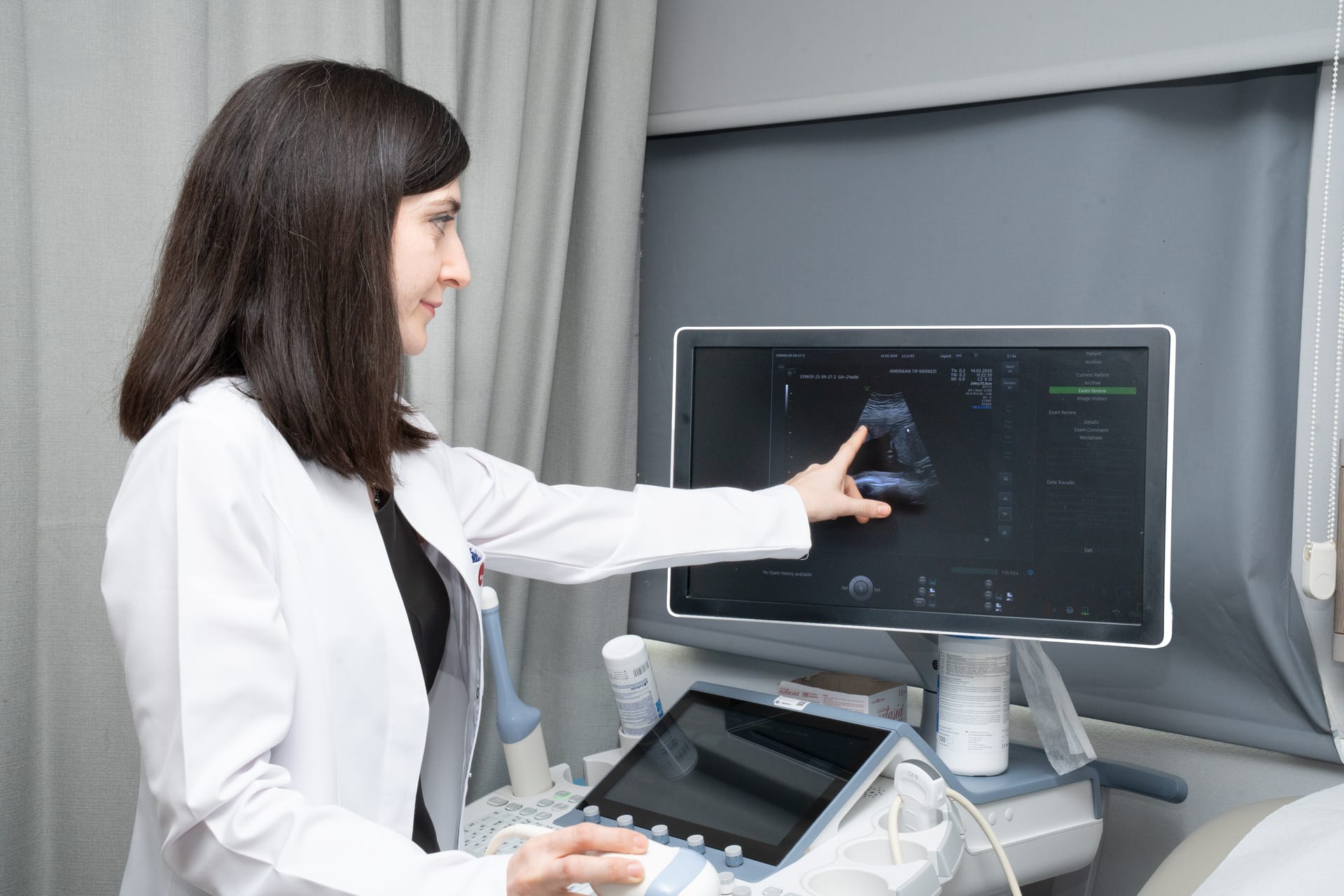
IVF treatment consists of four stages. These stages can be listed as follows: 1. Assessment of the couple, examination, diagnostic tests and determination of the treatment protocol: During the assessment of the couple, the patient's symptoms, medical history and family history are reviewed, and factors related to the cause of infertility are investigated. An ultrasound scan is performed to examine the structure of the reproductive organs, the uterus and the ovaries, and to identify any diseases or changes in neighbouring organs, investigating their relationship to infertility. If a problem is identified that hinders treatment or reduces the chances of success, steps are taken to resolve this issue first. During the ultrasound scan, an assessment of 'ovarian reserve' is carried out, which plays a significant role in selecting the treatment to be administered in the future and in determining the likelihood of treatment success. In addition, with a view to preparing for pregnancy, the presence of certain hormonal, metabolic and viral diseases that could adversely affect pregnancy, as well as the patient's immune status, is investigated. 2. Stimulation of the ovaries with medication: This constitutes the most important stage of the treatment. The treatment regimen to be administered during ovarian stimulation is determined based on the patient's age, the appearance of the ovaries on ultrasound, hormone test results, and, in patients who have previously undergone IVF, the response to treatment in the previous cycle. The physician's experience in determining this treatment directly influences the outcome. 3. Egg retrieval: Under anaesthesia, guided by transvaginal ultrasound, eggs are aspirated from the follicles containing the egg cells using a fine needle and removed from the body. 4. Embryo transfer: The best 1 or 2 embryos (fertilised eggs) are selected from those monitored in the laboratory and transferred into the uterus using a thin catheter. This procedure is similar to a routine examination and does not require anaesthesia.

The ideal time to start the egg stimulation process in IVF treatment is on the second or third day of the period. However, this is not an absolute requirement. Under certain specific conditions, ovarian stimulation medication can be started at any stage of the menstrual cycle.

Ovarian stimulation typically lasts approximately 8 to 14 days, although in some cases it may be shorter or longer. The growth of follicles that may contain eggs is monitored via ultrasound. Monitoring will require 4-5 visits to the IVF clinic during the course of treatment. In addition to ultrasound scans, hormone monitoring may also be carried out in some women. These hormones include oestrogen, progesterone and LH, and in some cases FSH. Once the follicles have reached the desired size, maturation injections (known as HCG or GnRH analogues) are administered to bring the eggs inside them to full maturity, and, barring certain special circumstances, the oocyte pick-up procedure is usually performed 34-38 hours later.

The oocyte pick-up (OPU) procedure is usually performed under local anaesthesia and takes approximately 15-30 minutes, depending on the number of follicles. If the ovarian response is limited and a small number of eggs are anticipated, the procedure may also be performed under local anaesthesia whilst the patient is awake. Following the procedure, you can return home after approximately 1-2 hours of observation and monitoring.

Once the oocyte pick-up has been completed, fertilisation with sperm takes place. The embryos are then monitored in the laboratory in special culture media for 3-5 days, or in some cases for 6-7 days. If there are any remaining high-quality embryos suitable for freezing after the transfer of those assessed in the laboratory and selected for transfer, these can be frozen and stored for transfer at a later date.

In Türkiye, the number of embryos that can be transferred is determined by regulations; for women under 35, it is limited to 1 embryo for the first 2 attempts, and for women over 35, it is limited to a maximum of 2 embryos. Under no circumstances is the transfer of more than two embryos permitted.

During the IVF treatment, ultrasound scans and blood tests are carried out during the egg stimulation phase to monitor egg development and adjust the dosage. On average, you will need to visit the hospital four or five times during the treatment process for these check-ups. As the time spent at the hospital during these check-ups is brief, they can be carried out without disrupting daily life or work routines.

Effects on the Female Body and the Emotional Process

Unless you change your lifestyle, the medication does not cause weight gain. Hormone levels rise temporarily. This produces effects similar to those experienced during the premenstrual phase. The body may retain some fluid, which is then relieved by menstrual bleeding. However, during this process, patients may become highly stressed due to the pressure to achieve the desired positive outcome. This, in turn, may negatively affect their eating habits.

In a significant proportion of treatments, the process begins in the early phase of the woman's menstrual cycle, and the follicular growth phase and oocyt pick-up stage are completed within that cycle. If a fresh embryo transfer is to be performed, the embryo transfer procedure is carried out a few days after the oocyte pick-up. In some cases, the retrieved eggs or embryos are frozen. In both cases, a missed period will occur if pregnancy is achieved; however, following egg freezing, the menstrual cycle will resume either during the expected period or within 7-14 days after the procedure.

As couples embark on this journey with a highly significant goal in mind, the emotional burden of the process, experiences from previous treatments, and socio-economic factors can lead to emotional fluctuations. Support from a partner, family and friends is of the utmost importance in minimising these fluctuations.

Every stage of IVF treatment, including ultrasound scans, injections, the egg retrieval process, embryo development stages and the transfer stage, can be a source of stress for the couples. Any stress that may arise during this process should be managed with the support of a partner, family and friends, and efforts should be made to control its negative impact on the process.

Medication Use and Monitoring

In treatments that often begin at the start of the menstrual cycle, or in some cases on any day of the cycle, injections are typically administered for an average of 8-14 days during the egg development phase. When a fresh or frozen embryo transfer is to be performed, progesterone is added to the existing injection treatment and is generally used until the first 8-10 weeks of pregnancy.

One of the most important aspects of IVF treatment is the correct determination of medication doses. The treatment protocol and medication dosage are determined based on the woman's age, weight, hormone test results (AMH), the number of follicles visible on ultrasound, and, if available, the response observed in previous treatments. A lower dose of medication may be required for a young woman with a good ovarian reserve, whilst a higher dose may be necessary for an older woman or one with a low ovarian reserve.

On the day treatment begins, the medications the woman will use are demonstrated by our nurse specialised in this area, who explains the procedure both verbally and in writing whilst administering the first dose. Generally, following this training, patients are able to administer their treatment comfortably in their own environment. However, some of our patients may choose to have their medication administered by visiting a healthcare facility nearby or by contacting the IVF unit where they are receiving treatment.

Embryo Freezing (Cryopreservation) and Genetic Screening

In theory, it can be said that embryos can be preserved indefinitely after the freezing process. However, according to the IVF Regulations, once five years have elapsed following the freezing process, the preservation period for embryos can be extended by submitting a written request to the Ministry of Health.

Embryos are frozen using solutions known as specially formulated media. Nowadays, following the widespread adoption of specially prepared solutions and a rapid freezing technique known as vitrification, embryos are safely preserved in liquid nitrogen tanks at -180°C. Whereas the likelihood of embryos being adversely affected by the 'slow freezing' technique was previously 20-30 percent, this rate is now below 1 percent with the vitrification technique. However, in some cases, it may be necessary to thaw and refreeze embryos. Studies indicate that pregnancy rates may decrease after more than two cycles of freezing and thawing.

As the aim of IVF treatment is to stimulate the growth of a large number of follicles, hormone levels in the blood are higher than during a natural menstrual cycle. It is currently a matter of debate whether this may lead to the uterine lining (endometrium) maturing earlier and, consequently, whether pregnancy rates may be slightly lower. The aim is to perform a fresh transfer provided that oestrogen and progesterone hormone levels do not exceed critical thresholds. No significant difference has been found between the success rates of fresh embryo transfer and frozen embryo transfer. Scientific research indicates that pregnancy rates are similar in both cases. Therefore, fresh embryo transfer may be preferred unless there is a medical condition requiring all of the patient's embryos to be frozen.

One of the most controversial aspects of IVF treatment is the genetic screening process. In some countries, PGT-A is directly recommended and performed for patients aged 35 and over. However, as the technology still has some grey areas (mosaic embryos) and due to the possibility that embryos capable of resulting in a healthy birth may not be transferred due to false positives, embryo genetic screening is important in the following scenarios: • Older patients • Patients with a history of multiple failed attempts • Patients with chromosomal abnormalities in either the woman or the man, where there is a high likelihood of these being passed on to the embryo • Inherited single-gene disorders • Patients with unexplained recurrent pregnancy loss

In order to carry out genetic screening, it is usually necessary to remove a few cells from the embryo, which is believed to represent the embryo, once it has reached the blastocyst stage. This procedure can be performed mechanically, using an acidic chemical, or with a laser. Nowadays, this procedure can only be performed very precisely using a laser. More importantly, the embryo is allowed to reach the blastocyst stage, and a sample is taken from the trophoectoderm cells, which will form the placenta, without touching the inner cell mass, which consists of the cells that will form the embryo. Therefore, there is a possibility of the embryo being damaged during the procedure, but this risk is negligible.

Cost and SGK Support

In IVF treatment, state funding can be obtained by producing an IVF report (signed by three people). To obtain this report, you must apply to centers authorised to issue such reports. Your physician must determine that IVF is necessary for the report to be issued. To obtain the report, one of the spouses must have at least 5 years of service with the Social Security Institution and a minimum of 900 days of contribution days, and the female partner must undergo a medical examination confirming she has no medical conditions preventing pregnancy. If deemed appropriate, an SGK report may then be issued.

Here, the couple's medical history and current condition regarding IVF treatment are significant. Following the physician's assessment, different methods to increase the chances of pregnancy or mandatory procedures to achieve pregnancy may be required. Services can be categorised as those related to laboratory and embryology, genetic and advanced diagnostic services, freezing and storage services, and services related to uterine preparation. These procedures include Embryo Glue, the microchip technique, IMSI, genetic embryo biopsy, and hysteroscopy/hysteroscopic polyp removal.

Post-Transfer Period

Embryo transfer corresponds to the time when, in a natural pregnancy, the embryo travels from the fallopian tube to the uterus. Just as there is no need for physical activity restrictions or bed rest in a natural pregnancy, there is no need for them after embryo transfer either. Research shows that bed rest following embryo transfer does not increase the chances of pregnancy. Similarly, there is no requirement to restrict sexual activity after the transfer. However, it is advisable to proceed with a plan as deemed appropriate by your physician. A blood test for pregnancy (hCG) should be carried out at least 10 days after embryo transfer. Tests carried out earlier may give a false-negative result, meaning that even if you are pregnant, the test may come back negative. Bleeding occurring the day before the pregnancy test does not necessarily mean you are not pregnant; it is advisable to continue taking your medication and contact your physician.